


Most Canadian clubs and PGA of Canada competitions require golf-specific attire: collared shirts or golf-design tops (mock necks and turtlenecks count), conservative shorts or skirts, and proper golf footwear. Clubhouse rules are usually stricter than course rules, so expect hats off indoors and no T-shirts or flip-flops anywhere near the dining room. When you’re booking a tee time somewhere new, check the club’s website or call the Pro Shop first.
TL;DR:
- Most Canadian clubs require collared shirts, mid-thigh length shorts or skirts, and golf-appropriate footwear such as soft spikes or spikeless shoes.
- Clubhouse indoor rules are stricter, often banning denim, T-shirts, tank tops, and requiring hats to be removed indoors.
- Tournament policies align with PGA of Canada standards but may be layered with stricter club-specific dress requirements, especially for logos and accessories.
- Checking a course’s dress code ahead of time via the website or phone ensures compliance and avoids being turned away, with optional backup attire recommended.
- Golf hoodies are acceptable when layered properly over collared shirts, but indoor clubhouse rules may still restrict their use depending on the club.
Table of Contents
- Course vs clubhouse: why the rules change indoors
- What’s allowed and what gets you turned away
- Do the rules differ for women, men, and juniors?
- How do I check a course’s dress code before I play?
- Looking sharp without breaking the rules
- Where Canadian golf fashion is headed
- Look the part with Plaid Gorilla Golf
- Sources
- FAQ
Course vs clubhouse: why the rules change indoors
Golf courses and clubhouses run on two different rulebooks, even at the same facility. The course is where you can get away with a bit more; the clubhouse is where clubs tighten up fast. HGCC’s club policies draw this line clearly, listing separate expectations for the golfing area and the building itself.
Tournament rules complicate things further. The PGA of Canada dress-code policy sets a national baseline for competitions, but host clubs can layer on stricter requirements for the day. That’s why a golfer might play their home course all season in a certain outfit, then get turned away wearing the same thing at a provincial qualifier.
Common clubhouse-specific rules include:
- Hats and visors removed before entering indoor spaces
- Denim banned in clubhouse dining areas, even where it’s tolerated on the course
- Logo size limits on shirts and outerwear (some clubs cap non-golf branding around three inches)
- T-shirts, tank tops, and gym wear prohibited regardless of course policy
The Toronto Golf Club is a good real-world example. Its policy calls for shirts to be tucked in and applies extra restrictions the moment you step off the course. Golf attire rules Canada wide follow this same course-versus-clubhouse pattern, even if the specifics shift from club to club.
What’s allowed and what gets you turned away
Collared shirts remain the safest bet across almost every Canadian club. Regular collars, mock collars, and turtlenecks are all widely accepted, so a proper golf polo solves most wardrobe questions before you even arrive. The PGA of Canada’s policy explicitly permits mock necks and turtlenecks at competitions, which tells you plenty about what private clubs will accept too.
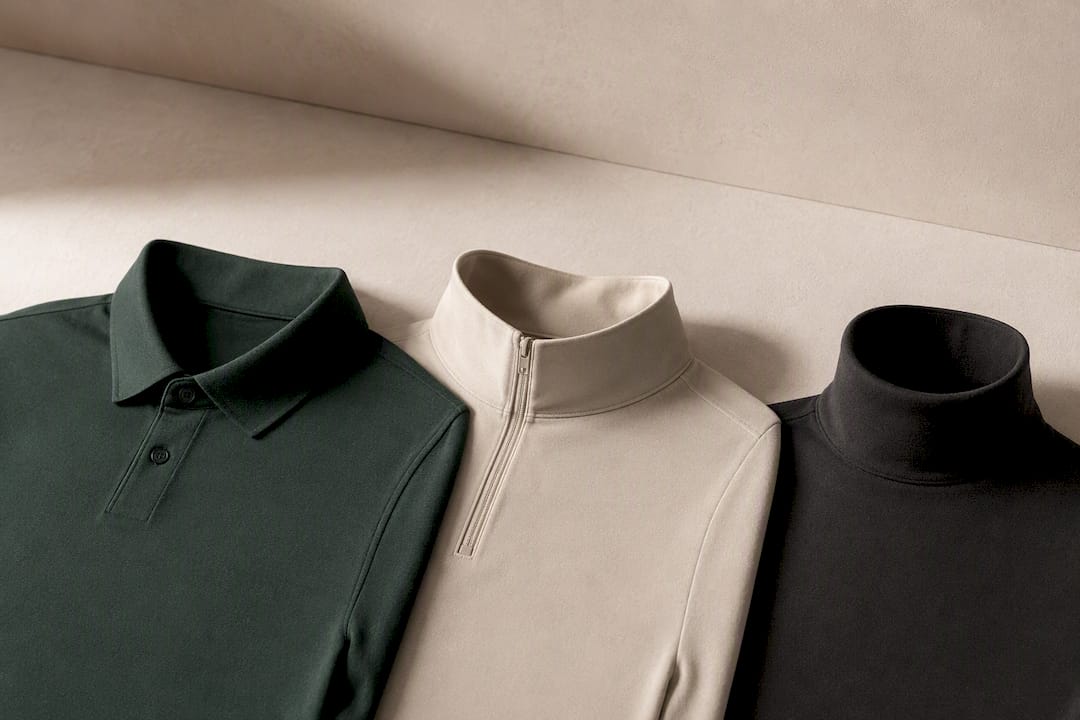
Shorts and skirts need length and design attention. Aim for mid-thigh or check the specific inseam a club states on its website, and steer clear of cargo pockets or anything that reads as gym shorts. Footwear matters just as much as the shirt: soft spikes or spikeless golf shoes are standard, while metal spikes and flip-flops get banned at most facilities, including tournament play under PGA of Manitoba rules.
Here’s the quick rundown:
- Collared shirts: golf polos, mock necks, turtlenecks
- Shorts/skirts: mid-thigh length, no cargo pockets, no athletic shorts
- Footwear: soft spikes or spikeless golf shoes, no metal spikes or sandals
- Logos/headwear: golf-appropriate branding, hats off indoors unless posted otherwise
Pro Tip: Keep the logo small and golf-related. A subtle crest reads as intentional; an oversized streetwear graphic reads as the wrong sport entirely.
Do the rules differ for women, men, and juniors?
Women’s attire guidelines at private clubs often get specific about length. Skirts, skorts, and dresses are typically welcome as long as they’re conservative, often defined as mid-thigh length or a similar modest standard.
Men face their own fine print. Tailored pants or golf shorts without external cargo pockets are the safe zone, and some private clubs even specify sock style, favouring knee-length or low-cut sockettes over crew socks with shorts, according to HGCC’s guest guidance.
Junior golfers don’t get a separate rulebook. Tournament policy applies the same way to a 14-year-old as it does to a touring pro, and caddies are held to the host club’s restrictions too.
- Women: conservative skirts, skorts, dresses, often 16 to 18 inches or mid-thigh
- Men: tailored shorts or pants, no external cargo pockets, sockette guidance at some clubs
- Juniors and caddies: same tournament standards apply, no age exceptions
How do I check a course’s dress code before I play?
Confirming the rules takes five minutes and saves you an awkward conversation at the first tee.
- Search the club’s website for a “Guest Information,” “Dress Code,” or “Policies” page. Most clubs, including HGCC, post pictorial guides right there.
- Call the Pro Shop if the website is vague. Staff can confirm enforcement, tournament-day exceptions, and whether a weather-related adjustment applies that week.
- Pack a backup outfit. A clean collared shirt and tidy golf shoes cover you at almost any course in the country.
- Inspect your own gear before you leave home. Check for cargo pockets, drawstring waists, or oversized logos that might not survive a closer look at check-in.
Looking sharp without breaking the rules
A structured silhouette and golf-specific fabric will carry you through nearly every Canadian club without a second glance from staff. Industry guidance from PGA of Ontario frames this well: clothing built for golf and cut for a tailored fit preserves tradition while still allowing performance materials.
Hoodies fit into this picture, with conditions. Garrison Golf Club’s policy permits golf hoodies on the course only when worn over a collared shirt, with hoods down once you’re indoors. That single rule shows up in some form at plenty of clubs, so treat it as the default assumption rather than the exception.
- Layer a hoodie over a collared shirt on the course, never as a standalone top
- Check clubhouse rules before wearing any hoodie indoors
- Save bold patterns for the course; keep clubhouse choices understated
Our guide to hoodie dress codes across Canadian courses breaks down exactly where the acceptance line sits club by club.
Where Canadian golf fashion is headed
Athletic fabrics and bolder patterns keep pushing into a sport that used to reward beige and not much else. That shift is real, and we’re glad it’s happening. But a tailored, put-together look still opens more doors at more Canadian clubs than any trend does. If your own club’s policy leaves a question unanswered, the Pro Shop or our customer service team can help you sort it out before you show up.
— Mike
Look the part with Plaid Gorilla Golf
Plaid Gorilla Golf builds hoodies and hats around structured silhouettes and bold patterns, so you get personality without the streetwear red flags that get golfers turned away at the pro shop counter.
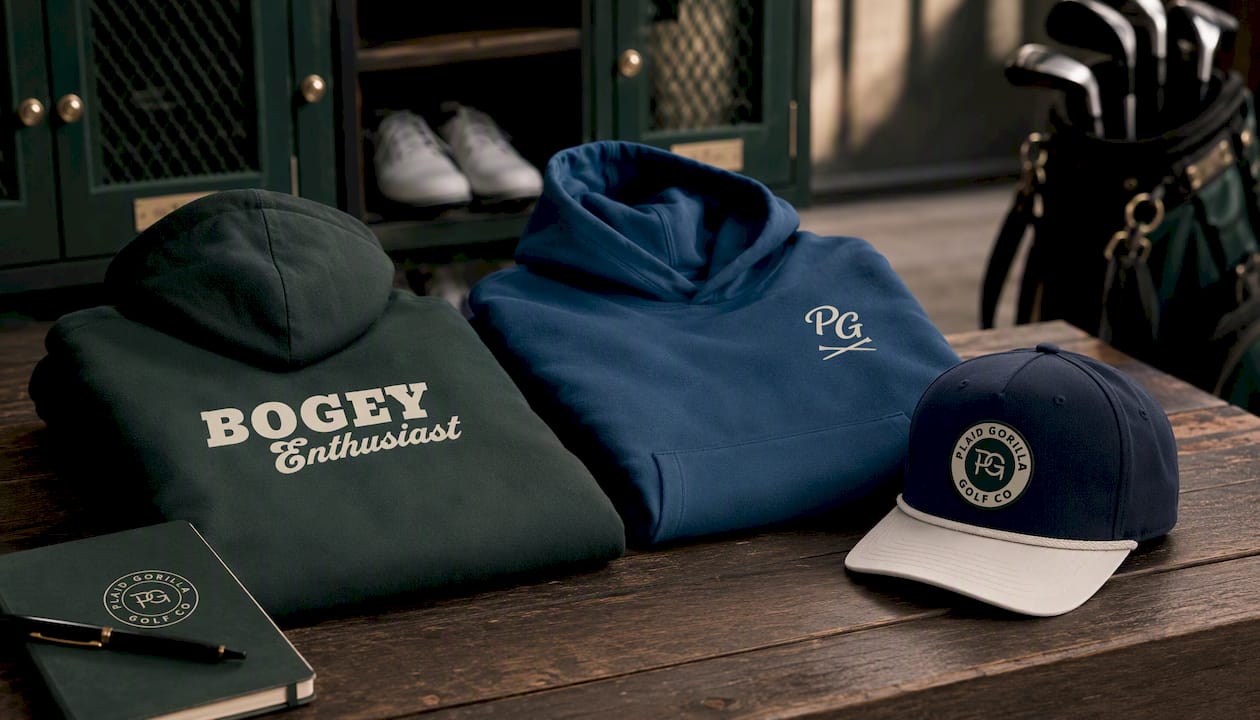
The Bogey Enthusiast Hoodie – Pine and Prime Hoodie in Real Teal are both cut with a fitted, golf-appropriate shape designed to layer cleanly over a collared shirt on the course, exactly the setup most clubs expect from hoodie wearers. Just confirm your club’s clubhouse rules before wearing one indoors, since plenty of venues still ask for hoods down or hoodies off once you’re past the pro shop doors. For outdoor headwear where the club permits it, the Country Club Snapback in Navy/Cloud White delivers a clean, classic look that won’t raise eyebrows on any first tee. Browse the full golf hoodie collection or check out the golf hats lineup to build a rotation that’s compliant at your home course and sharp everywhere else.
Sources
For competition rules, start with the PGA of Canada dress-code policy. For provincial specifics and exemplar club wording, see Golf Québec’s policy and HGCC’s guest information.
- Dress code (PGA of Canada policy)
- Guest information – Hamilton Golf and Country Club (HGCC)
- Dress Code (Toronto Golf Club)
FAQ
What is the standard dress code for golf in Canada?
Most Canadian courses expect a collared shirt or golf-design top, conservative shorts or skirts, and soft-spike or spikeless golf shoes. Denim, tank tops, and metal spikes are commonly banned, both on the course and especially in the clubhouse.
Are female golfers allowed to wear shorts?
Yes, shorts, skirts, and skorts are widely accepted for women, provided they’re conservative in length. Many clubs specify a mid-thigh standard or an exact measurement around 16 to 18 inches.
How do I know if a golf course has a dress code?
Check the “Guest Information” or “Dress Code” page on the course’s website first. If nothing is posted, call the Pro Shop directly; staff enforce the policy and can confirm any exceptions.
What if I don’t have a collared shirt for golf?
A mock neck or turtleneck golf top is accepted at most clubs and competitions as an alternative to a traditional collar. If you’re caught without either, many pro shops sell compliant shirts on site, and packing a backup collared shirt before you travel avoids the scramble entirely.