


A drop shoulder hoodie is a hoodie cut with its shoulder seam sitting below your natural shoulder point instead of right at it, which gives the chest and sleeves extra room and a relaxed, boxy shape. When you’re shopping, expect it to run roomier than a regular-fit hoodie in the same labelled size. Size down if you want a tighter look, and stick to midweight or heavyweight fabric if you want the shape to hold instead of sagging. Some brands build their hoodies around exactly this logic.
TL;DR:
- Most drop shoulder hoodies run larger than the label size, so sizing down is recommended for a closer fit on most body types.
- Heavier fabrics between 400 and 480+ GSM retain the structured, boxy shape of the drop shoulder cut better than lighter knits.
- Accurate measurements of chest, length, and sleeve size matter more than the brand’s size label when selecting a hoodie.
- The drop shoulder seam sits 2 to 4 inches below the natural shoulder, creating a looser fit and more relaxed silhouette.
- Style choices like slim bottoms and layering depend on the intended look, with fabric weight affecting warmth and drape.
Table of Contents
- What makes a hoodie a drop shoulder cut?
- How do you choose the right size and fabric weight?
- How do you style an oversized drop shoulder hoodie?
- What do suppliers and pattern makers say about shoulder geometry?
- Why sizing charts matter more than the label on the tag
- Where to find Plaid Gorilla Golf’s drop shoulder hoodies
- Sources
- FAQ
What makes a hoodie a drop shoulder cut?
The defining feature is seam placement. On a drop shoulder hoodie, the shoulder seam sits about 2 to 4 inches below the natural shoulder point, which pushes the whole sleeve and armhole lower on the body. That single adjustment can add 4 to 8 inches to the chest measurement compared with a regular-fit hoodie in the same size, which is why two hoodies labelled “large” can fit completely differently depending on how they’re patterned.
Pattern makers create this by extending the body panel and lowering the armhole so the sleeve seam lands on your upper arm rather than at your actual shoulder. That shift also changes how a chest logo or design sits, since the seam line moves closer to where a graphic would normally print.
Here’s how the three main sleeve constructions stack up:
- Set-in sleeve: seam sits right at the natural shoulder point, closest to the body, most structured fit.
- Raglan sleeve: seam runs diagonally from the collar to the underarm, common in athletic wear, allows more shoulder mobility.
- Drop shoulder: seam sits below the natural shoulder, sleeves hang looser, silhouette reads boxier and more relaxed.
Fabric matters just as much as the pattern. A heavier knit holds the dropped seam’s structure and lets the hoodie keep its shape on the hanger and on your body. A lighter, softer knit drapes more and softens that boxy edge into something closer to a slouchy, casual layer.
How do you choose the right size and fabric weight?
Sizing is where most first-time buyers get it wrong. Because a drop shoulder hoodie is already built with extra chest and sleeve room, ordering your usual size often gives you a much looser fit than you’re used to. If you’re after that classic oversized, streetwear look, order your normal size. If you want something closer to your body, sizing down one size is a common recommendation across a lot of drop shoulder product lines. Always check the brand’s actual measurements rather than trusting the size label alone.
Fabric weight is measured in GSM, grams per square metre, and it changes how the hoodie behaves on your body:
- Light (roughly 300 to 350 GSM): softer hand, more drape, better for layering in warmer weather, but it won’t hold a sharp boxy shape.
- Midweight (roughly 350 to 400 GSM): a balance point that most everyday drop shoulder hoodies land on, giving structure without feeling heavy.
- Heavyweight (roughly 400 to 480+ GSM): thick brushed fleece that holds an architectural, structured shape, ideal if you want that dropped seam to look intentional rather than sloppy.
Beyond weight, run through a short checklist before you buy:
- Check seam finishing on the shoulder and side panels; loose or single-stitched seams wear out faster.
- Look at the ribbing on the cuffs and hem, tighter ribbing holds shape through more washes.
- Confirm pocket style (kangaroo pouch versus split pockets) and zipper quality if you’re buying a zip-up.
- Compare the brand’s actual chest, length, and sleeve measurements against a hoodie you already own and love.
- Read the returns policy before you buy, since sizing varies enough between brands that a return option matters.
Pro Tip: Lay your favourite hoodie flat and measure the chest width and body length before you shop. Match those numbers against the product page’s measurement chart instead of relying on the size label, and you’ll avoid at least half the sizing disappointments people run into with drop shoulder styles.
For a deeper look at how weight changes comfort and warmth, Plaid Gorilla Golf’s guide on midweight versus heavyweight hoodies breaks down which one suits your climate and use.
How do you style an oversized drop shoulder hoodie?
Balance is the whole game. A drop shoulder hoodie already adds volume up top, so the easiest way to keep the outfit from looking sloppy is to slim things down below the waist. Pairing it with slim or tapered pants, straight-leg joggers, or tapered cargo pants keeps the silhouette intentional instead of shapeless. That top-heavy, bottom-clean combination is one of the most consistent styling rules across casual fashion, and it works whether you’re heading to the course or just running errands.
Season and weight should guide which piece you reach for. A lightweight drop shoulder hoodie works as a spring or early fall layer over a t-shirt, easy to knot around your waist once the temperature climbs. A heavyweight version becomes your outer layer for cold mornings, holding its structured shape instead of collapsing into a shapeless blob by lunchtime. For more outfit pairings built specifically around golf hoodies, there’s a full breakdown worth checking before your next round.
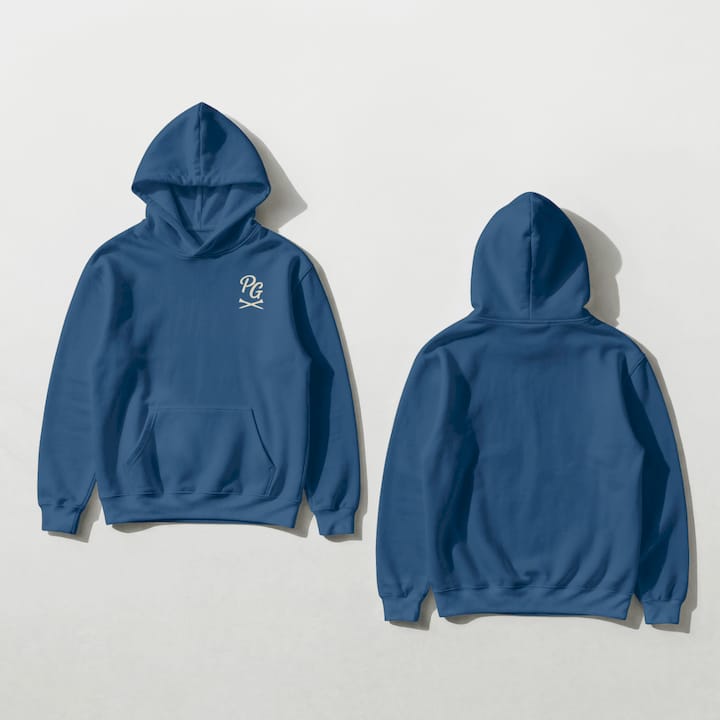
Body shape changes the calculation a bit. If you’ve got broad shoulders already, a drop shoulder cut can read as extra wide, so a midweight fabric in a true-to-size fit usually looks cleaner than an oversized one. Narrower frames tend to benefit from the added volume since it fills out the upper body without looking forced.
Which variant you pick depends on the moment:
- Zip-up: easiest to layer over or under something else, good for transitional weather.
- Cropped: pairs well with higher-waisted bottoms, more of a fashion piece than an everyday layer.
- Heavyweight pullover: the go-to for structured streetwear looks and genuine cold-weather warmth.
What do suppliers and pattern makers say about shoulder geometry?
Pattern engineers don’t just drop the seam and call it done. Supplier guidance points to a shoulder slope of roughly 15 to 24 degrees paired with a controlled armhole depth, a combination that stops fabric from pooling awkwardly at the neckline while still giving that relaxed drop shoulder look.
Fabric Weight Callout: Suppliers commonly recommend 400 to 480+ GSM brushed fleece for hoodies that need to hold a structured, oversized silhouette, versus 300 to 350 GSM for a softer, fluid drape.
Heavier fabric essentially locks the dropped-shoulder shape in place. Lighter fabric lets gravity take over, which softens the boxy edges into something closer to a relaxed drape. Worth knowing too: drop shoulder and oversized aren’t the same thing. One describes where the seam sits, the other describes overall roominess, and a hoodie can technically be one without being the other. Plaid Gorilla Golf’s comfort and construction breakdown covers how these construction choices translate into everyday wearability.
Why sizing charts matter more than the label on the tag
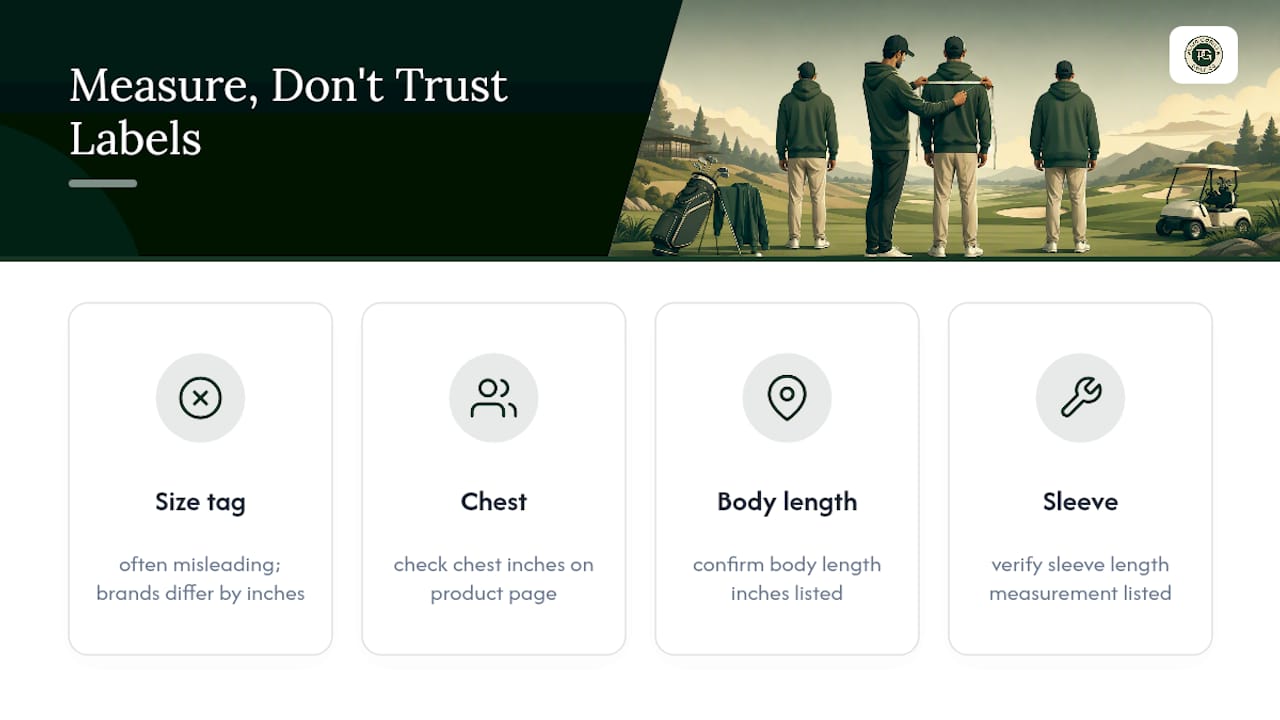
Most shoppers treat a size label like a promise, and with drop shoulder hoodies, that’s the fastest way to end up with something that fits nothing like you expected. The label tells you almost nothing useful here. What matters is the actual chest, length, and sleeve measurement printed on the product page, because two mediums from two different brands can differ by several inches once you factor in how each one interprets the drop.
The bigger blind spot, though, is fabric weight. Shoppers obsess over colour and print and barely glance at GSM, yet weight is what decides whether your hoodie still looks intentional after six months of washing or turns into a shapeless bag by October. A 480 GSM heavyweight piece and a 300 GSM lightweight piece can share an identical pattern and produce two completely different garments on your body.
My advice: measure before you shop, prioritize GSM over marketing language like “oversized” or “relaxed,” and treat the returns policy as part of the purchase decision, not an afterthought. Get those three right and the rest of the fit question mostly takes care of itself.
— Mike
Where to find Plaid Gorilla Golf’s drop shoulder hoodies
If you’ve read this far, you already know what to check: seam placement, GSM, and how the sizing chart lines up against a hoodie you already own. Some brands build their lineup around those exact standards, so you’re not guessing.
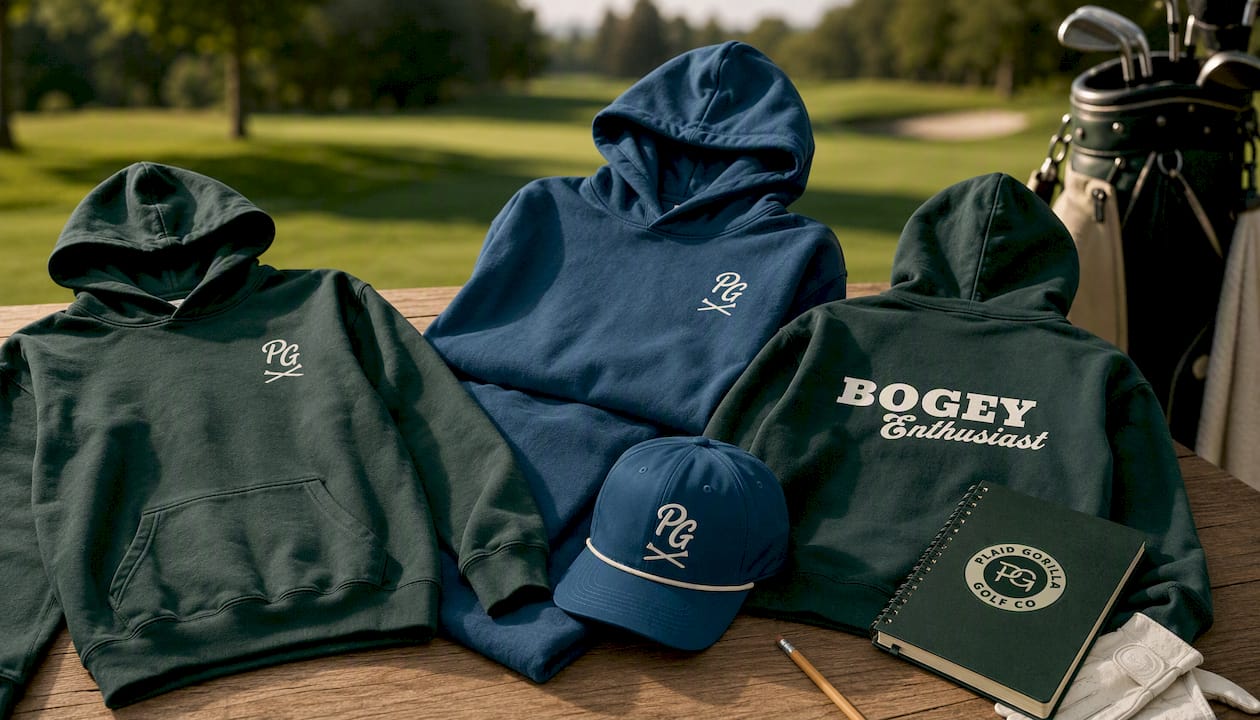
The Bogey Enthusiast Hoodie – Pine leans into a heavier fabric build that holds its drop shoulder shape through repeated wear, ideal if you want a structured, streetwear-ready silhouette on or off the course. The Prime Hoodie in Real Teal sits at a midweight balance point, giving you enough drape for layering without losing shape by the end of the day. If you want a set instead of a single piece, The Course Kit bundles a rope hat with the Prime Hoodie, a straightforward way to build a full look in one order.
Check the measurement chart on each product page before you order, especially chest width and body length, and size down if you want a closer fit than the standard drop shoulder cut gives you. From there, it’s just a matter of picking your colour and adding it to your cart.
Sources
Technical claims on shoulder geometry and fabric weight come from Three Layer’s guide on oversized versus regular fit, the hoodie suppliers trendbook on drop shoulders and drape, and Team Sunday’s glossary entry on drop shoulder construction. Product details and sizing guidance are pulled from Plaid Gorilla Golf’s own product pages, linked throughout this guide.
- Oversized vs Regular Fit Hoodies Guide | Three Layer
- Oversized hoodies trendbook: drop shoulders, volume control, and drape | hoodie suppliers
- What is drop shoulder? | Team Sunday
- Drop shoulder hoodie style guide | Loopback Apparel
FAQ
What is a drop shoulder on a hoodie?
A drop shoulder is a construction where the shoulder seam sits below your natural shoulder point, typically 2 to 4 inches lower, which loosens the fit through the chest and sleeves.
Who does a drop shoulder fit look good on?
It suits most body types, but narrower frames tend to benefit most from the added volume, while broader shoulders may want a midweight fabric in a true-to-size cut to avoid extra bulk.
What does “drop shoulder fit” mean when I’m shopping online?
It means the hoodie will likely run roomier through the chest and arms than a regular-fit piece in the same labelled size, so checking the actual measurement chart matters more than trusting the size tag.
Are drop shoulder and oversized the same thing?
No. Drop shoulder describes seam placement, while oversized describes overall roominess, and a hoodie can have one feature without the other.