


A 5-panel has one flat front panel and a lower, boxier crown. A 6-panel has a split front seam and a rounder, deeper crown. Pick the 5-panel for bold, flat-front branding and a laid-back street look. Pick the 6-panel for a classic, snug, sporty fit that holds up on the course.
TL;DR:
- A 5-panel hat features one flat front panel without seams, making it ideal for bold graphics and streetwear styles.
- A 6-panel hat has a split front seam and a rounded, taller crown, offering better stability during active movements like golf swings.
- For active use such as golf, a 6-panel provides a snug fit that stays in place, while a 5-panel suits casual, graphic-driven looks better.
- The quality of construction depends on panel stability, with structured buckram backing preferred for enduring embroidery and shape retention.
- Choosing between the two relies on personal style, activity needs, and preferred crown height, not on a clear hierarchy of quality.
Table of Contents
- 5 panel vs 6 panel: what actually separates them
- What is a 6-panel hat, and why do golfers gravitate toward it?
- Fit, branding, and material: the real side-by-side
- How to choose between a 5-panel and a 6-panel
- Styling both builds for the right occasion
- Mike’s fit and production notes for golfers and merch buyers
- The real answer nobody wants to give you
- Plaid Gorilla Golf picks for every panel preference
- Sources
- FAQ
5 panel vs 6 panel: what actually separates them
That single flat panel is the whole story with a 5-panel hat. One continuous piece of fabric runs across the front, with no centre seam breaking up the canvas, which is why the crown sits lower and boxier than most golfers expect from a “real” hat. It’s a build born from skate and street culture, and it still wears that heritage.
Here’s what defines the construction:
- Five total panels: one front piece, two side panels, and two back panels meeting at the crown
- A flatter, wider front face because there’s no seam splitting the logo space
- A lower profile that often sits closer to the eyebrows than a traditional ball cap
- Common closures include snapback, strapback, and the occasional fitted version
- Usually built from cotton twill, nylon, or corduroy, depending on the drop
Brands lean on the 5-panel because that uninterrupted front panel gives graphic designers room to work without worrying about a seam cutting through a logo. If you’ve ever seen a hat with a huge, centred embroidered crest or a full-width print, there’s a decent chance it started life as a 5-panel build. It’s less about tradition and more about giving the front canvas top billing.
What is a 6-panel hat, and why do golfers gravitate toward it?
A 6-panel hat splits the front into two panels joined by a centre seam, running straight up from the brim to the crown button. That seam changes everything about how the hat sits: instead of a flat, low front, you get a rounded, dome-like shape that rises higher off the head.
The build details that matter:
- Six total panels: two front pieces plus two side and two back panels
- A deeper crown that adds height and a more secure, “locked-in” feel
- Structured versions use a stiff buckram front for a crisp silhouette; unstructured versions collapse for a relaxed, broken-in look
- Common in performance fabrics like moisture-wicking polyester blends, alongside classic cotton twill
This is the shape most people picture when they hear “baseball cap,” and there’s a reason it dominates sports and uniforms. The rounder crown holds its form under movement, whether that’s a swing, a sprint, or just wind coming off the fairway. Golfers who’ve fought with a hat lifting off mid-backswing tend to switch to a 6-panel for exactly that reason. It’s a fit built for staying put, not just looking sharp on the rack.
Fit, branding, and material: the real side-by-side
Panel count changes more than silhouette. It changes how a logo gets applied, how the hat breathes, and how it behaves once you’re moving instead of standing still.
Fit and crown depth: 5-panels sit lower and flatter, which suits smaller heads or anyone who prefers a hat that doesn’t tower. 6-panels sit higher and rounder, giving more clearance and a snugger, more secure grip, particularly useful for anyone with a fuller head shape or an active swing.
Branding surface: This is where the two builds genuinely diverge. A 5-panel’s flat front panel gives embroiderers and printers one uninterrupted surface, ideal for large logos, bold wordmarks, or full-width graphics. A 6-panel’s centre seam forces designers to plan around that vertical line, either by keeping artwork narrow or splitting it across both front panels. That single design constraint is often the deciding factor for merch buyers choosing between the two.
Materials and breathability: Heavier cotton twill holds structure well on 6-panel builds meant for daily wear. Lighter nylon or performance mesh panels suit 5-panels aiming for a breathable, packable feel.
Brim shape: Flatter, straighter brims tend to pair with 5-panels for that street profile. Curved brims are almost universal on 6-panels, reinforcing the classic ball-cap look.
Production-wise, structured hats with firm buckram backing hold up better under raised or 3D embroidery because the stiff base resists distortion, a detail headwear manufacturers point to when deciding whether artwork should be embroidered or printed. Puff embroidery on a soft, unstructured crown can pucker if it isn’t stabilized properly during production.
How to choose between a 5-panel and a 6-panel
Work through this in order, and you’ll land on the right build faster than scrolling through another hundred product photos.
- Decide the vibe first. Streetwear and bold graphics point toward 5-panel. Classic, sporty, or on-course wear points toward 6-panel.
- Think about crown height preference. Prefer a low profile close to the brow? 5-panel. Want more height and a rounder crown? 6-panel.
- Consider your logo needs. Big, centred artwork favours the uninterrupted 5-panel canvas. Smaller marks work fine on either.
- Match it to the activity. Golf, running, and anything active benefits from the 6-panel’s secure, structured fit. Everyday and casual wear tolerates either.
- Check the return policy before buying online, since fit differences between the two builds are hard to judge from a photo alone.
Once the hat’s in hand, test crown height and forehead contact. A properly fitted crown shouldn’t press hard against your hairline, and it shouldn’t rock when you tilt your head walking. Inspect the sweatband too. Loose stitching or a flimsy inner band is a red flag regardless of panel count. For a deeper look at measuring your head correctly before ordering, Plaid Gorilla Golf’s hat sizing guide walks through it step by step.
Pro Tip: Try the hat on and walk a few steps, not just stand in front of a mirror. A 6-panel that feels snug standing still can loosen with head movement, and a 5-panel that looks flat in a photo can sit tighter than expected in person.
Styling both builds for the right occasion
Picture the outfit before you picture the hat, and the right panel count becomes obvious.
- 5-panel: streetwear fits, creative-casual outfits, skate-adjacent looks, anything where the front graphic is the whole point of the hat
- 6-panel: golf rounds, running errands, outdoor work, classic casual outfits where the cap needs to disappear into the look rather than steal it
- 7-panel hybrid: worth knowing about if you want more crown depth than a typical 5-panel while keeping a cleaner front canvas for branding, a middle-ground option some brands use when they can’t decide between the two
For golfers specifically, oversized and structured caps have been showing up more on and off the course, a trend Plaid Gorilla Golf breaks down in its piece on why oversized golf hats are trending.
Mike’s fit and production notes for golfers and merch buyers
On the course, wind is the deciding factor more often than style. A low-profile 5-panel looks sharp and feels good in calm conditions, but a deeper 6-panel holds its position better in gusty weather because the rounder crown grips more of your head. If you play exposed coastal or prairie courses, that’s not a small detail.
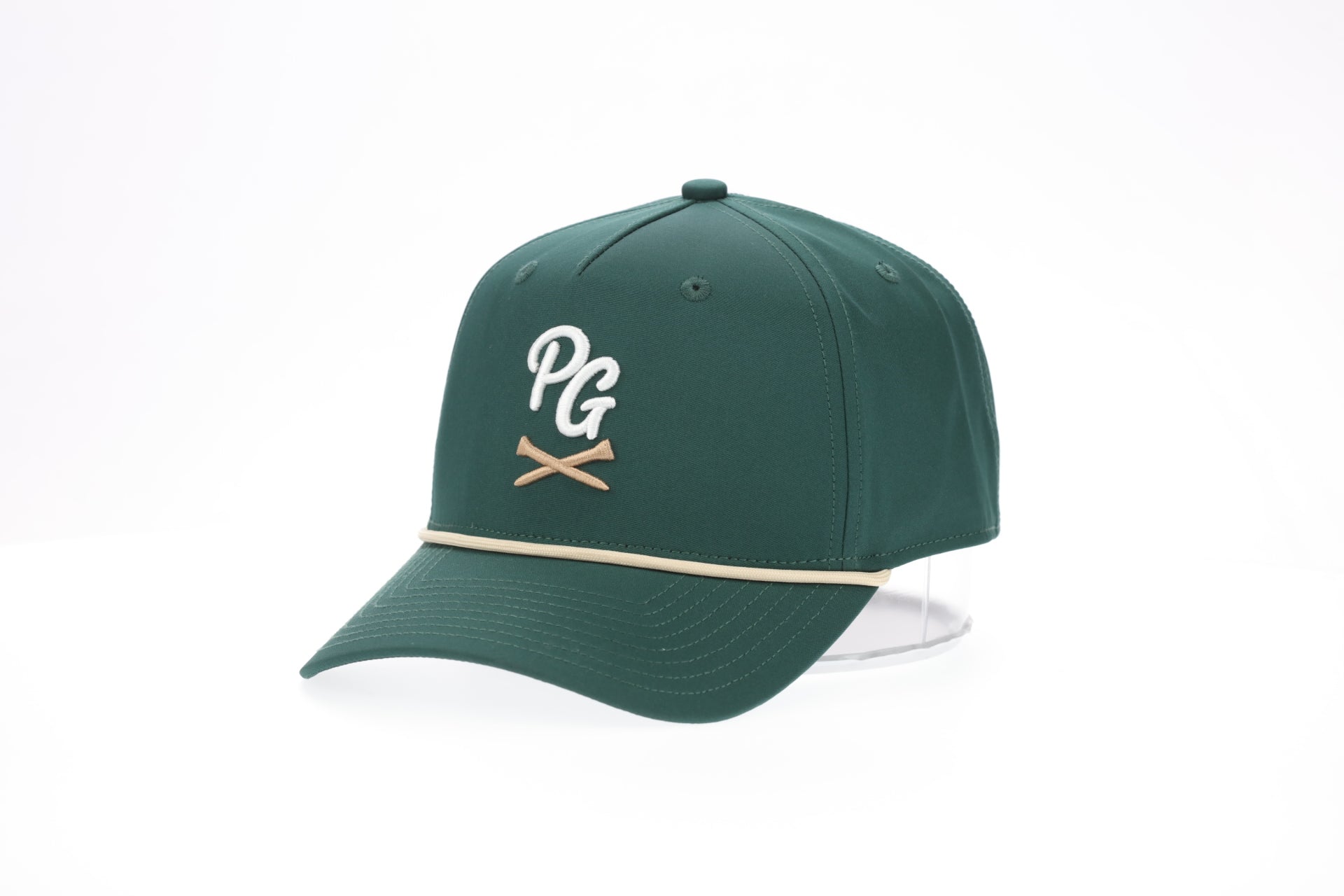
On the production side: stabilizers and proper hooping matter more on 5-panel crowns because the panel height is often shorter and under higher tension, which raises the risk of puckering during embroidery. That’s part of why some brands lean on structured buckram backing and tested closures, prioritizing durability over cutting corners on materials. For a breakdown of when raised embroidery beats a flat print, our puff versus flat embroidery guide covers the 3 to 4 millimetre rule we use to decide.
The real answer nobody wants to give you
Most comparisons treat this like a quality contest, and that’s the wrong frame entirely. A 6-panel isn’t a “better” hat than a 5-panel any more than a driver is a “better” club than a wedge. They’re built for different jobs, and the top guides in this space agree that it comes down to vibe and fit, not superiority.
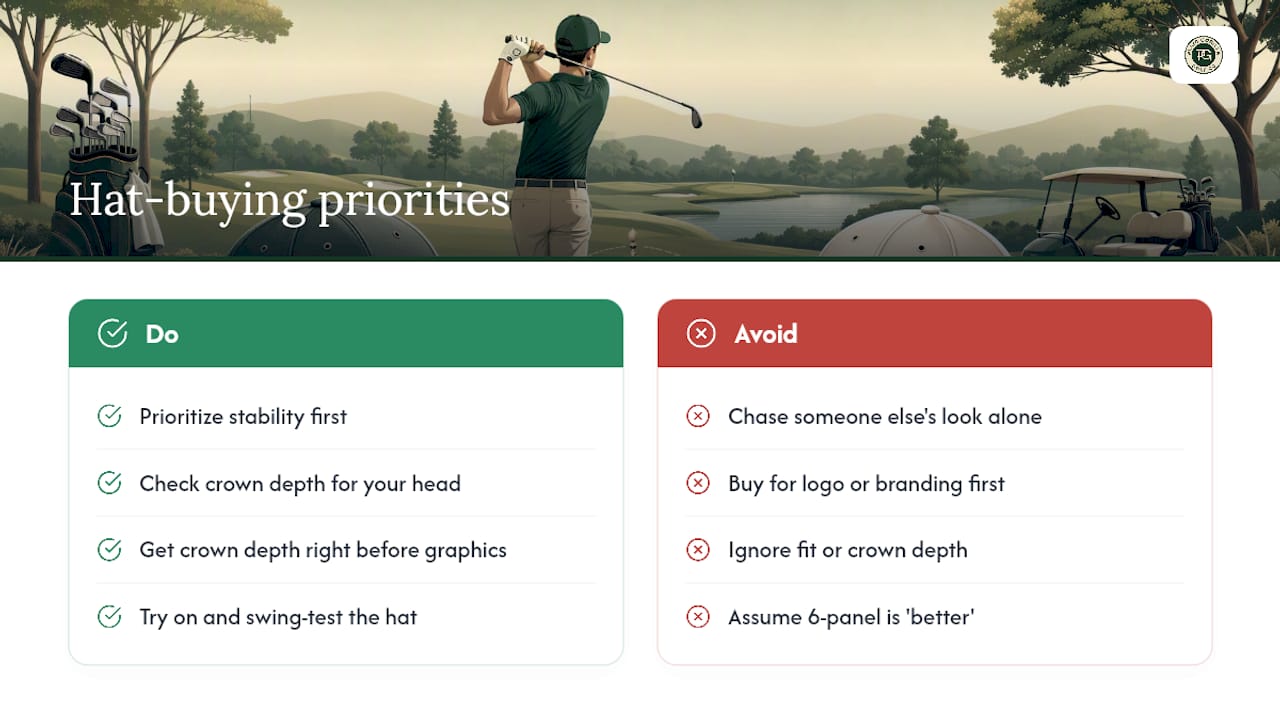
Where I think most buyers go wrong is chasing the look they saw on someone else without checking whether the crown depth actually suits their head shape. A flat-front 5-panel on a narrow face reads completely differently than the same hat on a fuller face. That’s a fit problem, not a style problem, and no amount of branding fixes it.
If you’re buying for golf specifically, prioritize stability first. A hat that shifts mid-swing is a bigger annoyance than a slightly less bold logo. Get the crown depth right, then worry about graphics. Everyone skips that order and wonders why their $40 hat never sits the way it did in the product photo.
— Mike
Plaid Gorilla Golf picks for every panel preference
Once you know which crown depth and branding style suits you, the shopping gets easy. One example is a snapback hat that leans into that flat-front, bold-branding energy shoppers want from a statement piece, without giving up a structured fit expected on the course.
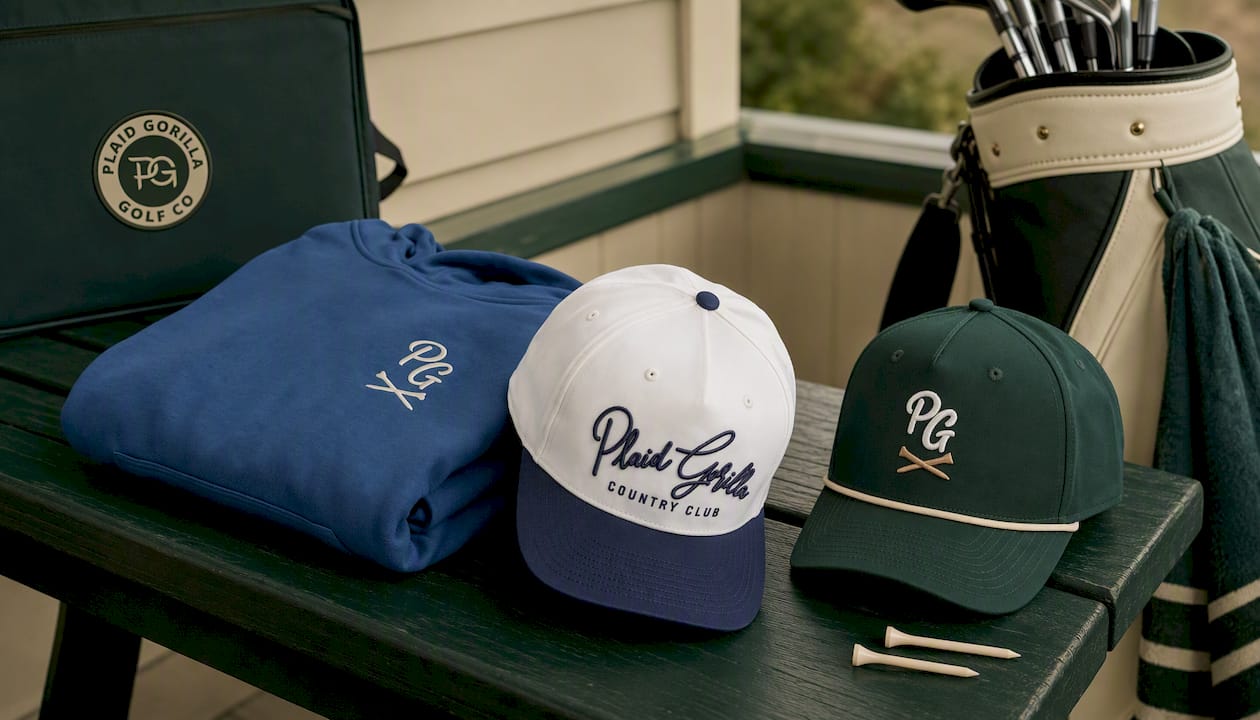
If you prefer something with more texture and a hand-finished feel, an example is a rope hat with a structured build and distinct braided brim detail, a step up from a basic cap for anyone wanting a standout hat. And if you’re shopping for someone else, or just want two solid pieces at once, a coordinated apparel kit bundles a snapback with a matching hoodie for a complete look that works on the course and off it.
Browse the full drop at Plaid Gorilla Golf and grab whichever build matches your game before the current run sells out.
Sources
- 5-panel vs 6-panel hat: A comprehensive guide — Printful
- 5 Panel vs 6 Panel Caps | Key Differences Explained — Flexfit
- The anatomy of headwear — RealThread
FAQ
Which is better, a 5-panel or 6-panel cap?
Neither is objectively better. A 5-panel suits bold, flat-front branding and a lower, street-inspired fit, while a 6-panel suits a deeper, rounder crown built for sport and everyday wear.
What is the advantage of wearing a 5-panel hat?
The single, uninterrupted front panel gives designers a clean canvas for large graphics or embroidery, and the lower, boxier crown gives a relaxed, streetwear-friendly profile.
What is a 7-panel hat?
A 7-panel hat is a hybrid build that adds extra crown depth compared to a typical 5-panel, while still keeping a cleaner front canvas for logos than most 6-panel designs.
Are 5-panel hats still in style?
Yes. Five-panel hats remain a staple in streetwear and merch drops because the flat front panel supports bold branding that’s hard to replicate on a seamed front.
How do I know if a hat’s construction quality is good?
Check the sweatband for tight, even stitching, look for a stable buckram front if you want a structured shape, and confirm the panels sit flat with no puckering around any embroidery.