


Relaxed fit sportswear means a garment is cut with roughly 6–8+ inches of ease beyond your actual chest and seat measurements, giving you room to rotate, breathe, and layer without the fabric fighting your swing. For golfers, that extra ease is the difference between a shirt that pins your backswing and one that moves with you from the first tee to the clubhouse.
Three things that matter most on the course:
- Mobility: the extra ease lets your shoulders and torso rotate freely through a full swing.
- Airflow: fabric that drapes rather than clings creates a microclimate that keeps you cooler on warm rounds.
- Off-course wearability: a well-constructed relaxed piece reads as intentional style, not sloppy, so it works at the clubhouse or out for dinner.
Plaidgorillagolf builds its pieces around exactly this principle: structured shoulders, calibrated ease, and premium materials that hold their shape round after round.
Table of Contents
- What does relaxed fit sportswear mean in technical terms?
- Common misconceptions about relaxed fit golf apparel
- How relaxed fit improves your golf performance
- How to identify a true relaxed fit when you’re shopping
- Materials and features to prioritise in relaxed-fit golf apparel
- How to style relaxed-fit golf pieces on and off the course
- Sizing and care guidance for Canadian shoppers
- How Plaidgorillagolf designs relaxed-fit pieces: the Bogey Kit
- Key takeaways
- Why relaxed fit is the right call for modern golfers
- The Bogey Kit: relaxed fit, built for the course
- Useful sources
- FAQ
What does relaxed fit sportswear mean in technical terms?
The word designers use is ease, the inches added to a pattern beyond your body measurement. A slim cut adds roughly 2–3 inches of chest ease; a regular fit adds 4–6 inches; a relaxed fit starts at 6–8+ inches. That gap is what separates a garment that hugs you from one that moves with you.
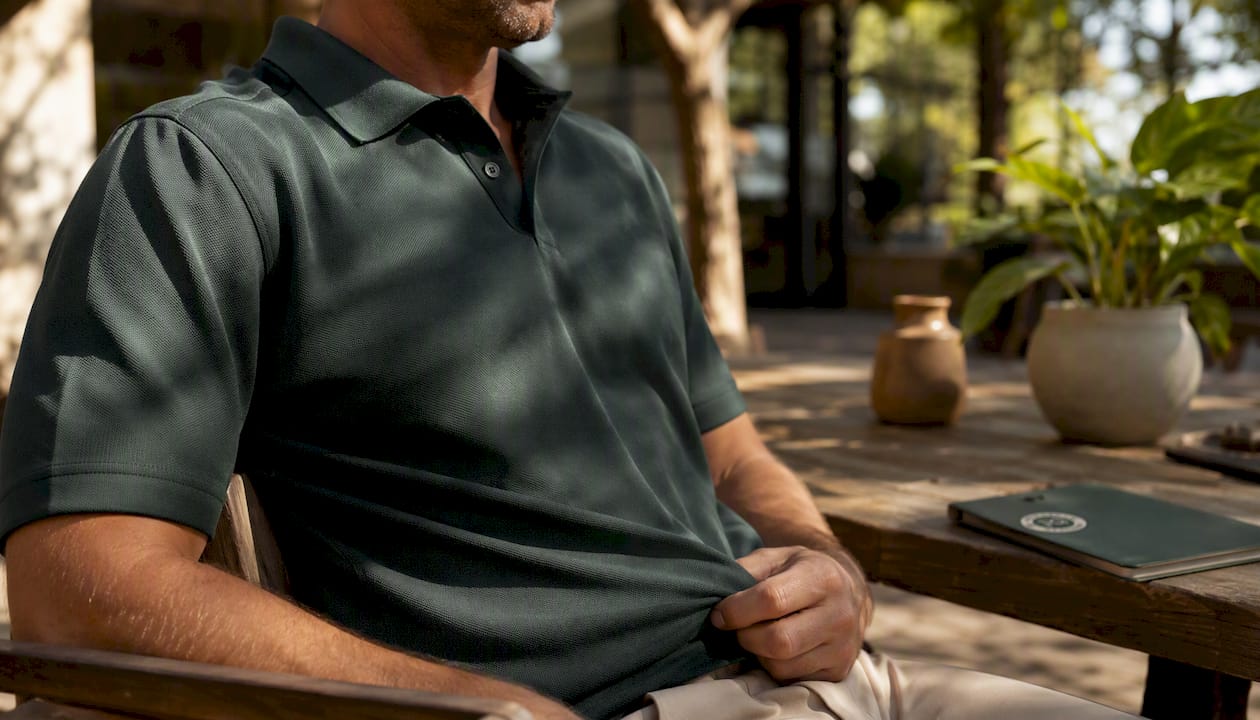
Beyond ease, designers use four construction cues to define a relaxed block:
| Construction point | Relaxed fit | Regular fit |
|---|---|---|
| Shoulder seam | Sits at or just past the natural shoulder point | Sits on the natural shoulder |
| Armhole | Wider, allowing full arm rotation | Standard, closer to the body |
| Hem drop | Longer, straighter drop from chest to hem | Shorter, slight curve at hem |
| Waist taper | Minimal to none | Moderate taper |
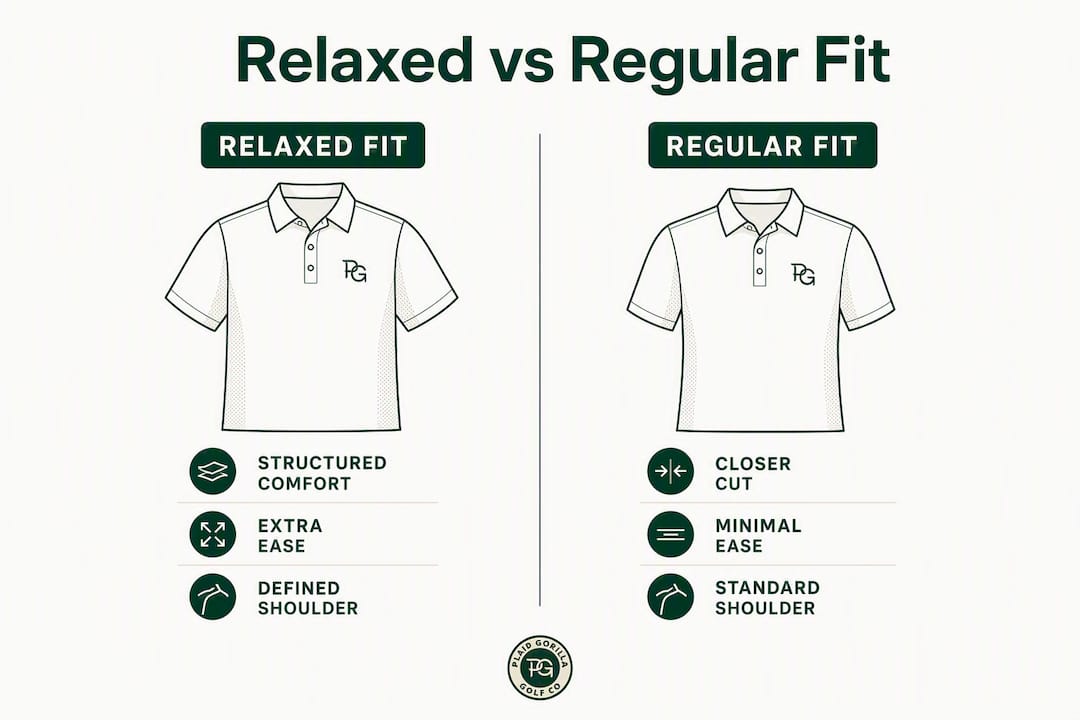
There are two flavours of relaxed worth knowing: structured relaxed (firmer fabric, defined shoulder, minimal waist taper) and drapey relaxed (softer fabric, dropped shoulder, more volume). On the course, structured relaxed is almost always the better call. It gives you the mobility you need without looking like you borrowed someone else’s hoodie.
Pro Tip: If you want the comfort of a relaxed fit but a sharper silhouette at the clubhouse, choose a structured relaxed piece in a mid-weight technical knit. The fabric holds its shape even after 18 holes.
Common misconceptions about relaxed fit golf apparel
The biggest one: relaxed equals baggy. It does not. A well-executed relaxed piece preserves shoulder and waist structure so the silhouette reads deliberate, not accidental. The shoulder seam still sits on your shoulder. The waist does not balloon out. The extra room lives in the chest, seat, and sleeve, exactly where a golfer needs it.
A few other myths worth clearing up:
“Relaxed fit ruins a polished look.” Only if the proportions are off. Pair a relaxed top with a more fitted trouser and the outfit looks purposeful. The dropped shoulder and wider armhole are design choices, not accidents.
“Relaxed and oversized are the same thing.” They are not. Oversized is intentionally sized up beyond your measurements, often with exaggerated dropped shoulders and extended lengths. Relaxed fit is your correct size with engineered ease built into the pattern.
When can relaxed look unflattering? When the fabric is too lightweight and the silhouette collapses, or when you size up on top of an already-relaxed block. Stick to your actual size and choose a fabric with enough body to hold its shape.
How relaxed fit improves your golf performance
Fabric friction is a real problem in the golf swing. A shirt that pulls across the upper back at the top of your backswing creates resistance, and over 18 holes that adds up. Relaxed fit reduces that friction by keeping fabric away from the skin through the key rotation points: shoulders, chest, and upper arms.
The ventilation benefit is just as concrete. Relaxed-fit garments work via the chimney effect: the internal volume draws cooler air up from the hem and vents warm, humid air at the collar and waist. For legwear specifically, an internal air gap of roughly 2–4 cm supports evaporative cooling and reduces humidity build-up against the skin. On a warm July round in Canada, that matters.
The trade-off is honest: more fabric means slightly more visual drape, and a poorly chosen fabric can look shapeless, but following a structured workout program benefits for real results approach can guide your choice in movement-friendly apparel. Premium construction, structured shoulders, and a mid-weight knit eliminate most of that downside. For golfers who want full swing freedom, the mobility gain is worth it every time.
How to identify a true relaxed fit when you’re shopping
Whether you’re in a store or scrolling a product page, the same checklist applies.
In-store try-on sequence:
- Reach test: extend both arms forward and overhead. The hem should not ride up past your waistband.
- Rotation test: simulate a backswing. You should feel zero pull across the upper back and shoulders.
- Sit test: sit down and cross one leg. The seat should not pull tight or restrict your hips.
- Shoulder check: look in the mirror. The shoulder seam should sit at or just past your natural shoulder point, not halfway down your arm.
Online shopping cues: the most reliable signals for a true relaxed fit are flat measurements with stated chest and seat ease, photos that show shoulder seam placement on a model, and explicit model-fit notes (e.g., “model is 6’1” and wears a Medium"). Vague terms like “comfortable” or “loose” without measurements are not enough. Look for the word “relaxed” in the fit description alongside actual ease numbers.
Materials and features to prioritise in relaxed-fit golf apparel
Fabric choice makes or breaks a relaxed silhouette. A lightweight jersey goes limp and shapeless; the right mid-weight technical knit holds its drape and looks intentional.
- Mid-weight technical knits and polyester blends: hold their shape through a round, wick moisture, and dry fast.
- French terry: ideal for cooler weather hoodies; the looped interior traps warmth while the exterior drapes cleanly.
- Four-way stretch: lets the fabric move with your swing without distorting the relaxed silhouette.
- Moisture-wicking finishes: pull sweat away from the skin, supporting the chimney-effect ventilation that relaxed cuts create.
- Low-profile seams: reduce friction at the underarm and shoulder, the two points that matter most in a golf swing.
- UPF ratings: worth seeking on any piece you wear for a full round in the Canadian summer sun.
One production note worth knowing: relaxed garments use more fabric per piece, and graphics or prints must be placed to account for drape. Premium brands shift print placement upward and reduce large back panels to avoid wrinkling or visual sag once the garment is on the body.
How to style relaxed-fit golf pieces on and off the course
The core rule: balance volume. A relaxed top pairs best with a more fitted trouser or chino, and a relaxed bottom works with a more structured top. Matching relaxed pieces head-to-toe can work, but it takes confidence and the right proportions.
A few combinations that hold up from the first tee to dinner:
- Relaxed hoodie + slim-cut golf trouser + clean white sneakers or loafers.
- Relaxed polo or tee + tailored chino + structured cap.
- Relaxed jogger + fitted quarter-zip + leather belt bag for off-course days.
Accessories matter. A structured snapback or rope hat adds a defined line at the top of the outfit and keeps the look from reading too casual. Avoid oversized accessories with relaxed pieces; the proportions stack in the wrong direction.
Pro Tip: When you want mobility but a sharper silhouette at the club, choose a structured relaxed hoodie with a defined shoulder seam and minimal waist drop. It reads polished from ten feet away and feels like a second skin on the course.
Sizing and care guidance for Canadian shoppers
Sizing: buy your usual size. The ease is already engineered into a relaxed block, so sizing up adds volume on top of volume and the proportions fall apart. Pay attention to the chest and hip ease specs on the product page rather than the labelled size alone. If a brand lists flat measurements, compare the chest measurement to your own and confirm the difference lands in the 6–8+ inch ease range.
Care steps that protect the fit:
- Wash cold, gentle cycle. Hot water accelerates fibre relaxation in stretch blends and can distort the shoulder block.
- Air dry or tumble dry low. High heat shrinks polyester blends unevenly and can cause the structured shoulder to lose its shape.
- Do not iron stretch blends on high heat. A cool iron or a steamer is enough to remove wrinkles without flattening the fabric’s stretch.
- Store folded, not hung. Heavy relaxed pieces hung for long periods can stretch the shoulder seam and change how the garment sits.
Natural fibre blends (cotton-rich French terry, for example) will relax slightly after the first few washes. That is normal. A pure polyester or nylon technical knit holds its dimensions more consistently over time.
How Plaidgorillagolf designs relaxed-fit pieces: the Bogey Kit
Plaidgorillagolf is a Canadian brand born in Spruce Grove, Alberta, and the design approach reflects that: pieces built for real golf conditions, not just the lookbook. The relaxed-fit philosophy shows up in structured shoulders that hold their line, calibrated ease that supports a full swing without excess drape, and premium materials chosen for both performance and bold visual impact.
The Bogey Kit pairs the Country Club Hat with the Bogey Enthusiast Hoodie, and it is the clearest in-market example of what a well-executed relaxed-fit golf piece looks like:
- Bogey Enthusiast Hoodie: mid-weight construction, structured shoulder seam, relaxed chest ease designed for swing mobility, and a bold pattern that holds its placement across the drape.
- Country Club Hat: structured brim and crown that balance the relaxed silhouette of the hoodie and keep the overall look sharp.
- Flat measurements and fabric specs are listed on the product page. Use the checklist from the “how to identify” section above to confirm the ease before you order.
The Bogey Kit ships across Canada and is offered as a limited drop, so availability is not guaranteed. Check the product page for current sizing and stock.
Key takeaways
Relaxed fit sportswear means a garment cut with generous ease beyond your body measurement, preserving shoulder structure while freeing your swing, airflow, and layering options.
| Point | Details |
|---|---|
| Check ease inches | Look for generous chest and seat ease in flat measurements before buying. |
| Run the mobility tests | Reach, rotate, and sit in the garment; zero pull across the back means the fit is right. |
| Choose the right fabric | Mid-weight technical knits and four-way stretch blends hold the relaxed silhouette and wick moisture. |
| Balance your proportions | Pair a relaxed top with a more fitted bottom, or vice versa, for a purposeful look on and off the course. |
| Plaidgorillagolf Bogey Kit | The Bogey Kit’s flat measurements and fabric specs let you verify the relaxed fit before ordering. |
Why relaxed fit is the right call for modern golfers
The conventional wisdom in golf apparel has always leaned toward fitted and structured. Tighter means sharper, the thinking goes. But that framing misses what actually happens on the course: a shirt that restricts your backswing costs you more than a few yards. It costs you comfort across four hours of walking, bending, and swinging.
What I find underestimated is how much the right relaxed fit does for the mental side of the game. When your clothes are not pulling, riding up, or clinging after the back nine, you stop thinking about them. That is the point. The golf-inspired casual wear conversation has shifted in Canada precisely because golfers have figured this out. Relaxed fit is not a compromise. It is a deliberate choice made by players who understand that performance and style are not opposites. Plaidgorillagolf’s approach, structured ease with bold design, is exactly where that conversation is heading.
The Bogey Kit: relaxed fit, built for the course
Plaidgorillagolf’s Bogey Kit is the direct answer for Canadian golfers who want a relaxed-fit piece they can verify before buying. The product page lists flat measurements and fabric specs so you can run the ease check yourself. The Bogey Enthusiast Hoodie is cut with a structured shoulder and calibrated chest ease, and the Country Club Hat keeps the silhouette sharp. It ships across Canada as a limited drop.
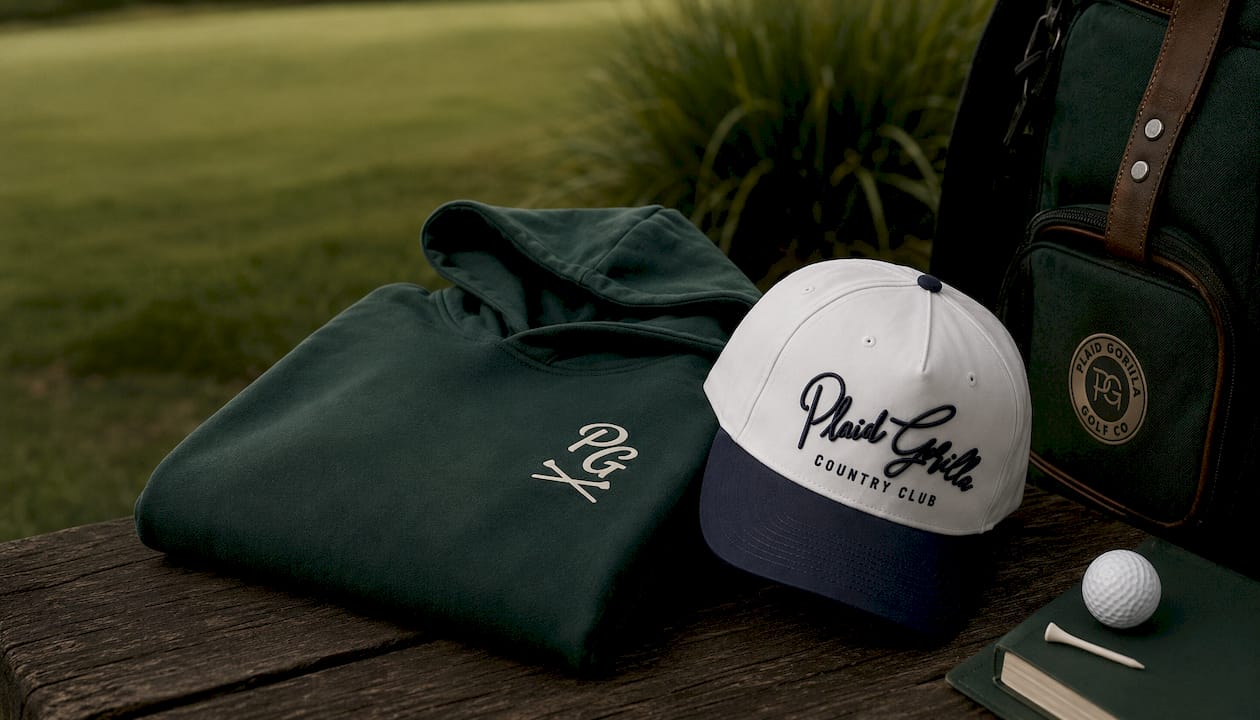
Head to the Bogey Kit product page, compare the flat measurements against your own chest measurement, and confirm the fit before the drop closes.
Useful sources
Further reading for golfers who want the technical background on fit, ease, and airflow:
- Slim fit vs Regular fit vs Relaxed fit: What Each One Means: detailed ease ranges for each fit category, useful for comparing specs when shopping.
- A Buyer’s Guide to Shirt Fits for Custom Sportswear: covers construction cues including dropped shoulders, armhole width, and print placement on relaxed garments.
- Airflow in relaxed fit trousers: The science of breathable legwear: explains the chimney effect and the 2–4 cm air gap that drives convective cooling.
- Oversized vs Relaxed Fit: The Actual Difference Explained: clear breakdown of why relaxed and oversized are distinct categories.
- Sportswear Fit Types: Slim, Athletic & Relaxed Cuts: quick reference for how relaxed fit sits within the broader sportswear fit spectrum.
When buying online, always cross-reference the brand’s flat-measurement chart against your own measurements rather than relying on labelled size alone.
FAQ
What does relaxed fit mean in sportswear?
Relaxed fit means the garment is cut with extra ease beyond your chest and seat measurements, so the fabric drapes away from the body rather than clinging to it. The result is more room for movement and better airflow without the garment looking oversized.
Is relaxed fit the same as oversized?
No. Relaxed fit is your correct size with engineered ease built into the pattern; oversized means the garment is intentionally sized beyond your measurements, often with exaggerated dropped shoulders and extended lengths. A relaxed fit preserves shoulder and waist structure; an oversized piece does not.
What are the benefits of relaxed fit clothing for golfers?
The main benefits are unrestricted rotation through the full swing, reduced fabric friction across the upper back and shoulders, and improved airflow via the chimney effect that keeps you cooler on warm rounds. Relaxed pieces also layer easily and transition from the course to everyday wear.
How do I know if a relaxed-fit piece will actually fit me?
Check the flat measurements on the product page and confirm the chest ease falls within the 6–8+ inch range above your own measurement. In store, run a reach test, a rotation test, and a sit test; zero pull across the upper back means the fit is right.
Where can I find relaxed-fit golf apparel in Canada?
Plaidgorillagolf offers the Bogey Kit, a Country Club Hat and Bogey Enthusiast Hoodie bundle, with flat measurements and fabric specs listed on the product page. It ships across Canada as a limited drop.