


A golf mid layer traps warmth without adding bulk, sitting between your base layer and shell to manage heat as conditions shift. The single best rule: prioritize slim fit, four-way stretch, and a venting zip over raw thickness. Guides like Golfalot’s layering breakdown back this up. Some apparel brands build every mid-layer piece around the same principle.
TL;DR:
- Most golfers should opt for a slim-fitting, technical mid layer with good insulation-to-weight ratio to avoid bulk and restrictiveness during swings.
- Layering two mid layers or adding a hoodie is advisable in cold, windy, or highly changeable weather conditions for better temperature regulation.
- A half-zip or full-zip mid layer with a venting option allows quick adjustment to temperature changes and helps prevent overheating.
- Check fit by raising your arms overhead and mimicking a full backswing to ensure the mid layer does not ride up or restrict shoulder movement.
- For most rounds, a single technical mid layer suffices on mild days, but carrying a second lightweight piece enables temperature adjustments when conditions shift.
Table of Contents
- How does the three-layer system work in golf?
- What fabric and fit actually matter in a mid layer?
- Which mid-layer style fits your conditions and swing?
- What should you check before buying a golf mid layer?
- How Plaid Gorilla Golf approaches mid-layer design
- When should you add or remove a mid layer during a round?
- Managing your mid layer over a full round
- Why most golfers get mid-layer buying wrong
- Ready-to-wear mid layers that check every box on this guide
- Sources
- FAQ
How does the three-layer system work in golf?
Golf layering runs on three pieces, each with one job. The base layer sits against your skin and moves sweat away from your body. The mid layer holds body heat in while still letting that moisture escape outward. The outer shell blocks wind and rain without trapping everything underneath.
That middle piece is the tricky one. It has to insulate enough to matter on a cold front nine, but breathe enough that you’re not swimming in sweat by the twelfth hole. Get the balance wrong and you either freeze standing over a putt or overheat mid backswing. The Golf Clothing Layering Guide makes the point clearly: a mid layer should stay snug but never restrictive, because a tight, non-breathable fit blocks the moisture transport the whole system depends on.
Whether you need one mid layer or two comes down to the forecast:
- Mild warm mornings: skip the mid layer or carry one for later in the round.
- Cool conditions: one technical mid layer under a light shell usually suffices.
- Cold or windy conditions: consider layering multiple mid layers or adding a hoodie to adjust through the round.
What fabric and fit actually matter in a mid layer?
Not all “warm” fabrics perform the same on a golf course, and the differences show up the moment you take a full swing. Brushed fleece is soft and warm but bulky, and a bulky mid layer under a shell is exactly what restricts your shoulder turn. Polyester performance knit is the workhorse: it stretches, breathes, and dries fast, which is why Golfmagic’s buyer’s guide points golfers toward lightweight, technical half-zips for changeable weather. Quilted synthetics trap heat efficiently in thin panels, making them a smart pick when you want warmth without visual bulk. Merino wool breathes and regulates temperature naturally but costs more and demands gentler care.
The real metric to watch is insulation-to-weight, not thickness. Modern technical fabrics deliver real warmth in a thin build, so “thermal” no longer means “heavy sweater.” A mid layer with poor insulation-to-weight forces you to size up, and sizing up is what causes the bunching under a shell that eats into your shoulder turn.
Fit checklist for anything you’re considering:
- Slim, athletic cut through the torso, not boxy
- Sleeves that end at the wrist, not riding up mid forearm
- A flat, low-profile collar that won’t dig in at address
- A half-zip or full zip for on-the-fly venting
Pro Tip: Before buying, raise both arms overhead and mimic a full backswing in the store or in front of a mirror. If the hem rides up past your waistband or the shoulders pull tight, that piece will fight you on every swing, not just the big ones.
Which mid-layer style fits your conditions and swing?
Style choice should follow the weather and how much freedom you need through impact, not just what looks good on the rack.
- Quarter-zip — the most common on-course choice. Enough venting for temperature swings, low collar, minimal bulk. Good for most conditions from cool to mild.
- Half-zip — deeper zip than a quarter-zip, so you can “dump heat” fast between holes and zip back up on an exposed tee. This is the pick for genuinely changeable days, and it’s a design favoured over crew-necks for exactly this reason.
- Gilet (vest) — sleeveless, so your arms move completely unhindered through the swing. Best when your arms run warm but your core needs a shield from wind.
- Quilted pullover — no zip, more consistent warmth, less venting control. Suits steady cold rather than fluctuating conditions.
- Hoodie — casual, warm, and increasingly common on-course as course dress codes loosen. Works well as a light mid layer under a shell, or as a standalone piece on a mild, breezy day.
- Shooter shirt — a lighter option for shoulder-season rounds where you just need to cut the morning chill.
Sleeveless pieces win on swing freedom; sleeved pieces win on total warmth. Check your course’s dress code before assuming a hoodie is fine. Most modern clubs allow it; some traditional clubs still want a collar visible underneath.
What should you check before buying a golf mid layer?
Run through this checklist before you commit, whether you’re standing in a shop or scrolling online:
- Stretch: four-way stretch fabric, confirmed by a full-swing test, not just a label claim
- Breathability: a knit or technical weave, not a dense, closed fleece that traps heat
- Layering fit: slim enough to sit under a shell without adding a visible size
- Venting zip: half-zip or full zip, not a pullover with zero adjustment
- Water resistance: a light DWR (durable water repellent) finish handles a damp morning without a full shell
- Packability: compresses small enough to stuff in a cart bag pocket without wrinkling for the best golf mid-layers roundups worth trusting
- Care instructions: merino needs different washing than synthetic knits, so check before you buy if durability matters to you
Pro Tip: Do the layer-over test before you pay. Wear your usual polo, add the mid layer, then add your shell on top. If you feel restricted anywhere through a mock backswing, that’s the fit talking, not your body.
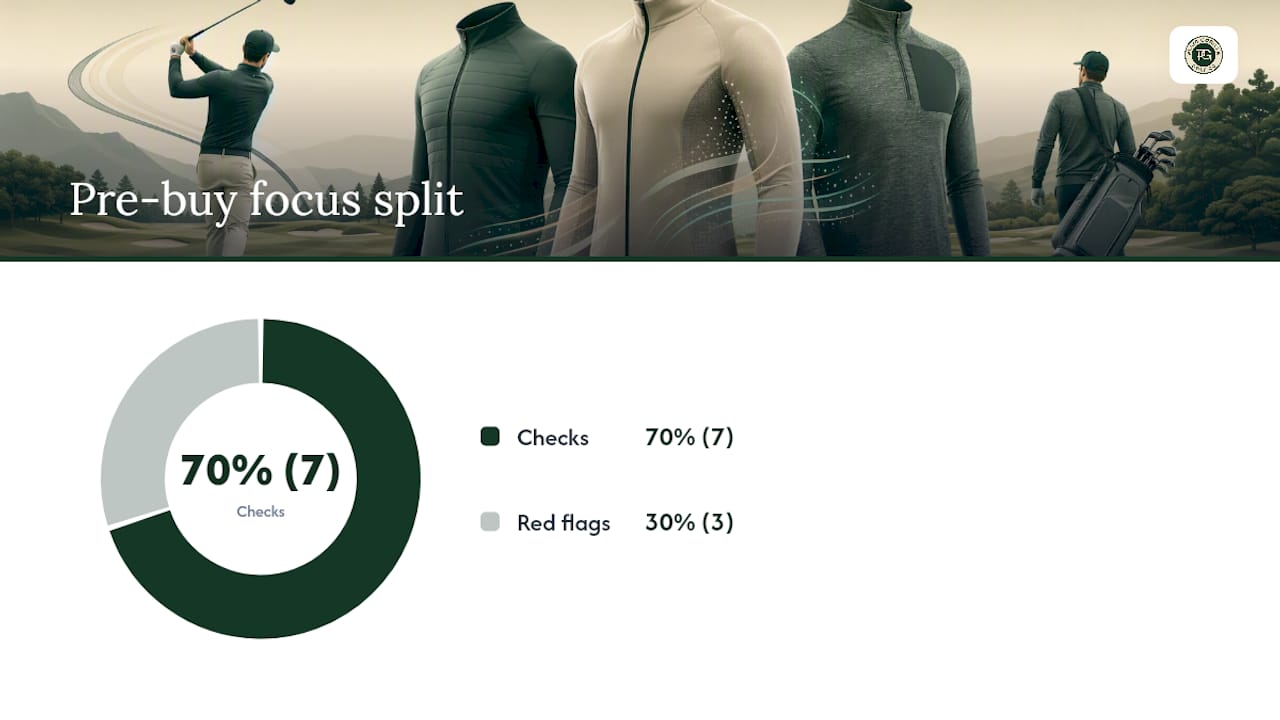
Watch for three red flags: a boxy cut that adds inches everywhere instead of just where you need them, a heavy non-breathable knit that traps sweat, and a collar that rubs your neck at address. Seam placement matters too. Seams sitting right on the shoulder line tend to chafe under a shell after a few holes. For more on how fit interacts with swing mechanics specifically, Plaid Gorilla Golf’s guide to golf clothing for full swing breaks down exactly where restrictive apparel costs you distance.
How Plaid Gorilla Golf approaches mid-layer design
Some brands build their pieces around bold patterns and premium materials, aiming for golf apparel that balances style and performance. Slim fits built specifically for layering help a hoodie or pullover sit clean under a shell instead of bunching at the shoulders.
Here are some example kits that map onto the three-layer system:
- A kit pairing a snapback hat with a hoodie, built to work as either a stand-alone mid layer on mild days or a light outer piece when the forecast stays dry.
- A kit combining a hat with a hooded hoodie, suitable for hooded warmth that still tucks under a shell when the wind picks up.
- A kit including a rope hat and a hoodie for a clean, ready-to-wear setup for cooler rounds.
Our field notes on winter golf layers go deeper into fabric weight and how to stack pieces once temperatures drop close to freezing, and our hoodie style guide covers which silhouettes suit which conditions.
When should you add or remove a mid layer during a round?
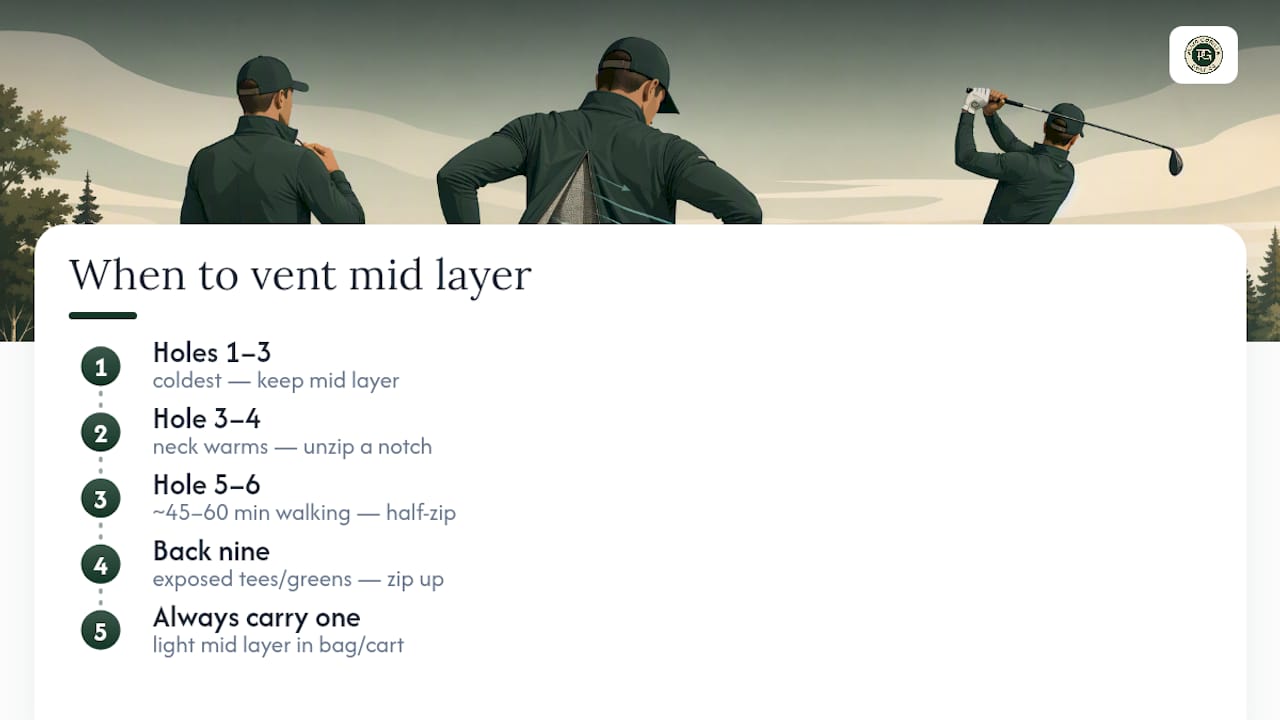
Most rounds start cold and warm up fast. The first two or three holes are usually the coldest part of your day, especially on a morning tee time, so this is when your mid layer earns its keep. By the fifth or sixth hole, once you’ve been walking and swinging for 45 minutes to an hour, your body temperature climbs even if the air hasn’t warmed much.
This is where a venting mid layer beats a sealed one. More Sports frames a mid layer’s core job as temperature regulation across a several-hour round: start cold, warm up over the front nine, then cool down again on exposed back-nine tees where wind has nothing to block it. A half-zip lets you crack it open on hole six without stopping to fully undress, then zip back up on an exposed 14th tee that catches crosswind off the trees.
Don’t wait until you’re sweating through your base layer to vent. Unzip a notch as soon as you notice your neck warming up, usually right around the third or fourth hole on a moderate day. On the back nine, watch for exposed tee boxes and elevated greens, both spots where wind exposure jumps even if the temperature reading hasn’t changed. Carry a light mid layer in your cart or bag even on days that start mild. Alberta mornings especially can shift ten degrees between the first tee and the turn.
Managing your mid layer over a full round
Start a round in all three layers only when the forecast says cold and steady. If it’s cold now but warming, skip the shell and carry it, wearing just base and mid layer instead.
Vent on the move with a half-zip rather than stopping to strip a layer entirely. Store anything you remove in your cart’s rain hood pocket or a dry compartment in your carry bag, never loose on top where a sudden shower soaks it.
Before you tee off, check three things: current temperature, wind speed, and whether rain is likely in the next two hours. That takes thirty seconds and saves you from either overpacking or getting caught cold on the ninth.
Why most golfers get mid-layer buying wrong
Most golfers shop for warmth first and mobility as an afterthought, which is backwards. You’ll feel a mid layer’s warmth rating for maybe the first three holes of a cold round. You’ll feel its fit on every single swing you take for four hours straight.
The real mistake I see constantly is golfers buying up a size “for extra warmth,” assuming a looser fit means more heat retention. It’s the opposite. A looser mid layer traps a bigger air gap between fabric and skin, which your body has to work harder to heat, and it adds exactly the kind of bunching under a shell that restricts your shoulder turn at the top of the backswing. Insulation-to-weight fabric solves this properly. A slim, technical piece keeps you warmer per gram than a baggy fleece ever will.
The other overlooked detail is collar construction. Golfers obsess over sleeve length and hem length but ignore the collar, and a stiff or high collar is often the first thing you notice at address, brushing your chin every time you settle into your stance. A flat, low-profile collar costs nothing in warmth and saves you that irritation for eighteen holes straight.
If there’s one piece of conventional wisdom worth throwing out, it’s “thicker equals warmer.” On a golf course, thicker usually just equals restricted.
— Mike
Ready-to-wear mid layers that check every box on this guide
If you’d rather skip the trial-and-error and start with pieces built for layering from the ground up, Plaid Gorilla Golf’s kits solve that in one purchase instead of three separate decisions.
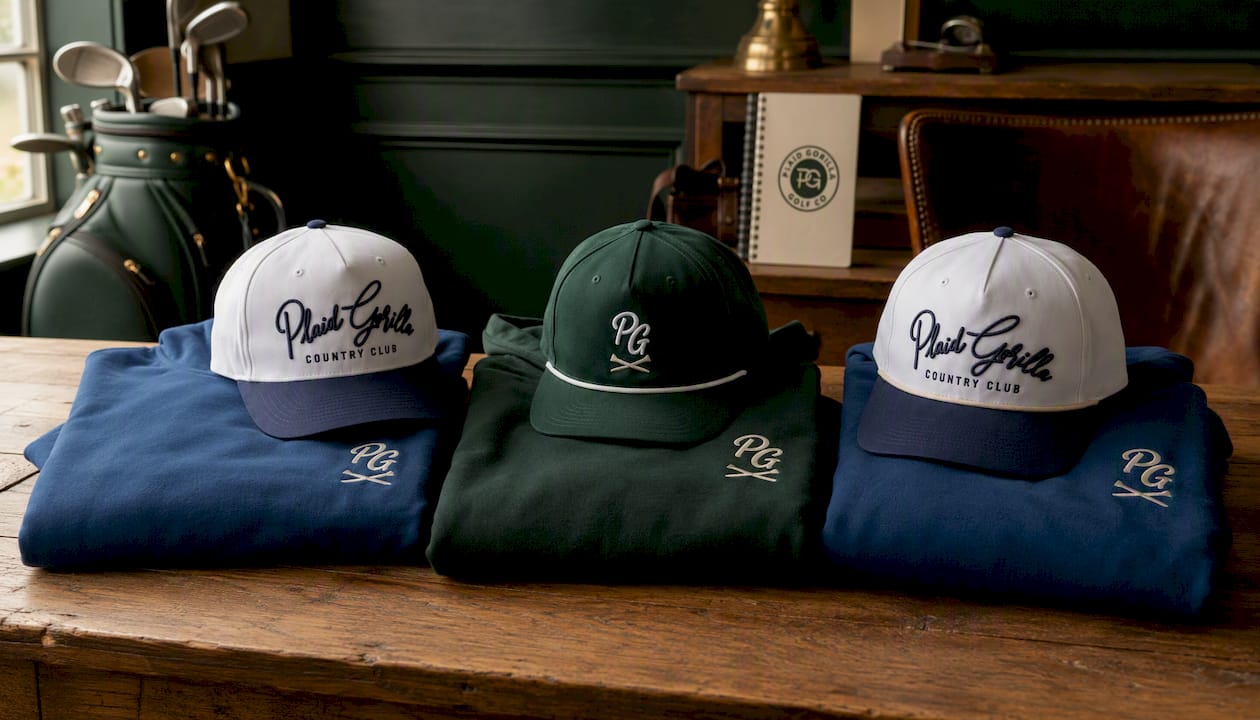
The Club Kit pairs the Country Club Snapback with the Prime Hoodie, our most versatile mid-layer piece, built with a slim cut so it sits clean under a shell on cold mornings or stands alone once the sun’s out. The Bogey Kit brings the Country Club Hat together with the Bogey Enthusiast Hoodie, a hooded warmth option for golfers who want personality on the rack and a fit that still tucks under a shell when wind picks up.
The Course Kit rounds things out with a Rope Hat and the Prime Hoodie, a clean, ready-made setup for anyone who wants one outfit decision made for cooler rounds.
Each kit was designed with the same checklist covered in this guide: slim layering fit, breathable premium materials, and bold patterns that stand out on the first tee. Browse The Club Kit, check out The Bogey Kit, or see The Course Kit and pick the one that matches your next round’s forecast. Want to see the full lineup first? Visit the Plaid Gorilla Golf shop.
Sources
- Golf Clothing Layering Guide
- Best Golf Mid-Layers: Buyer’s Guide
- What Is A Golf Mid Layer? Layering, Fit, Fabrics & Uses – More Sports
FAQ
How do you wear a golf mid layer correctly?
Wear it snug but not tight, over a moisture-wicking base layer and under your shell if rain or wind is expected. Choose a half-zip so you can vent heat as your body warms through the round instead of overheating by the back nine.
What’s the 70/30 rule in golf?
This term isn’t a standard part of layering or swing terminology, and definitions of it vary widely depending on context, so it’s not something this guide can define with confidence.
What should your mid layer be made of and fitted like?
It should use a breathable technical fabric such as performance knit, quilted synthetic, or merino, in a slim athletic cut that won’t bunch under a shell. Prioritize stretch and a venting zip over raw thickness.
What is the 90% rule in golf?
This isn’t an established layering or apparel guideline, and no consistent definition exists across golf sources, so this guide can’t state one reliably.
Do I need more than one mid layer for a round?
On mild days, one technical mid layer usually covers the whole round. On cold or windy days, carrying a second lighter mid layer to add or remove as conditions shift, similar to the setup in The Club Kit, gives you more control than committing to one heavy piece.